
The Quality of your Investment
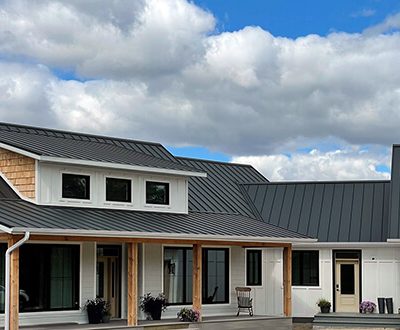
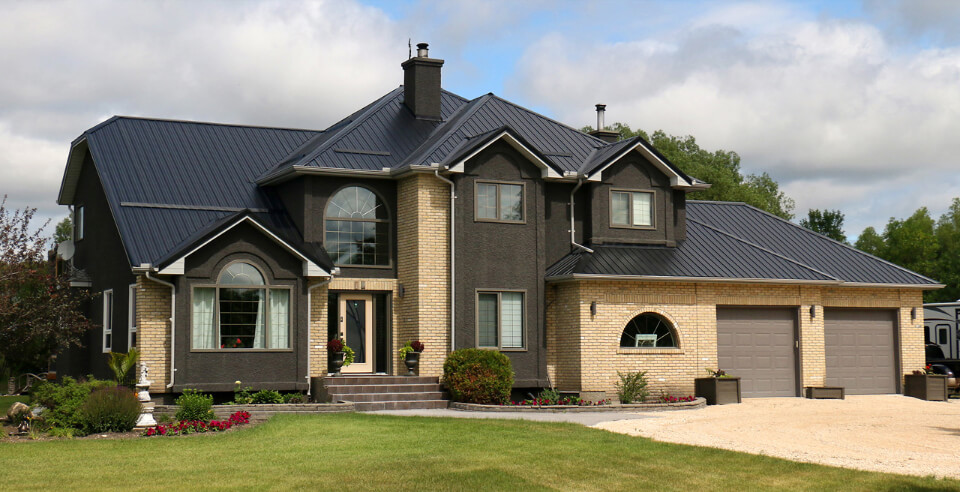
Metal roofing from Domtek is guaranteed for 40 years. So forget about having to re-roof for a very long time.
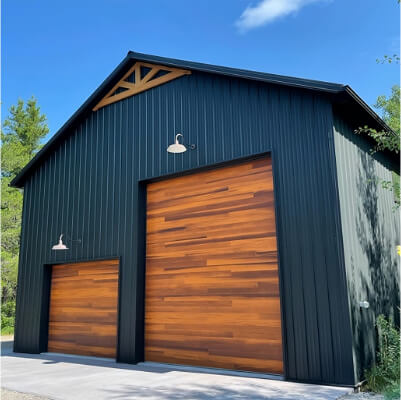
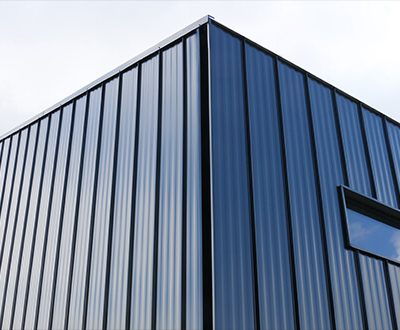
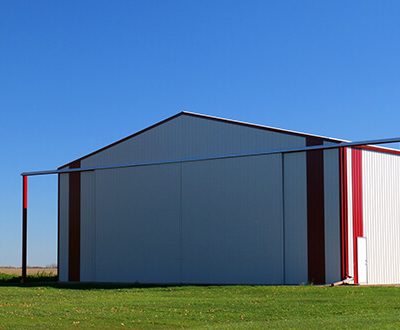
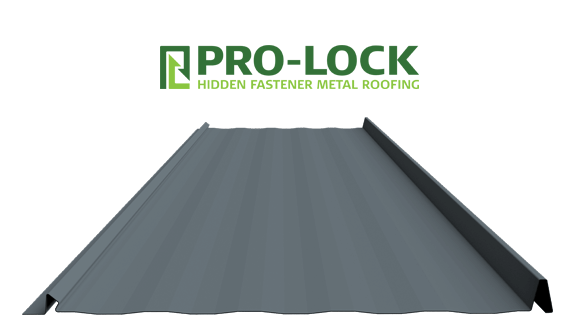
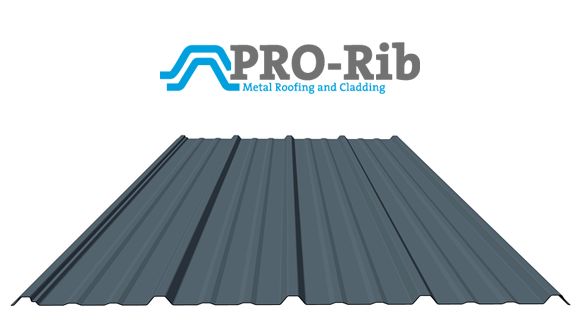
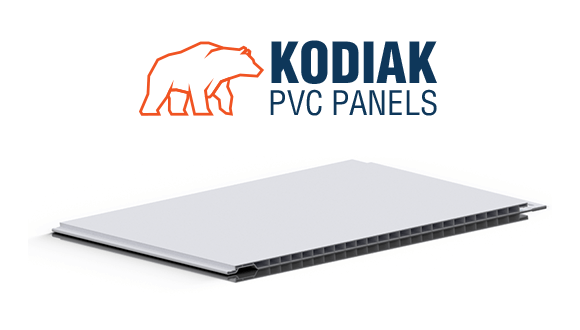
Domtek specializes in metal roofing, wall cladding, PVC panels and related building products for residential, agricultural and commercial applications.
Domtek specializes in metal roofing, wall cladding, PVC panels and related building products for residential, agricultural and commercial applications.
Your home is a significant investment, and we offer premium products to protect it and the people inside. From our durable, fire resistant metal roofing to our versatile PVC liner panels, we have the solution for you.
Our metal panels stand out for their superior quality, requiring minimal maintenance while ensuring long-lasting performance. Experience the utmost value for your investment with our reliable solutions.
For years, metal panels have proven to be the optimal choice for safeguarding your valuable inventory and equipment. Our panels provide peace of mind, and offer vibrant colours and energy efficiency.
Metal roofing from Domtek is guaranteed for 40 years. So forget about having to re-roof for a very long time.

Be cooler in the summer. Because metal roofing and wall cladding acts as a radiant barrier, it helps to reduce the heat load on your building saving you money on cooling costs.

It’s estimated that over 1 billion pounds of asphalt shingles are dumped into landfills every year! Domtek’s metal roofing and cladding is 100% recyclable.
For more than 30 years, Domtek prides itself on dealer and customer support. Domtek is proud to have earned the trust of customers throughout Western Canada since 1989. Domtek’s partnership with our extensive dealer network ensures your satisfaction, with comprehensive warranty programs and factory support as part of each sale.
Contact Us
“We have used numerous different metal companies over the last 10 yrs and nothing compares to Domtek. Their metal panels are manufactured to perfection and makes installation a breeze. We take pride in our projects and Domtek takes pride in their products. This combination keeps our customers satisfied everytime.”
– Manitoba Contractor